

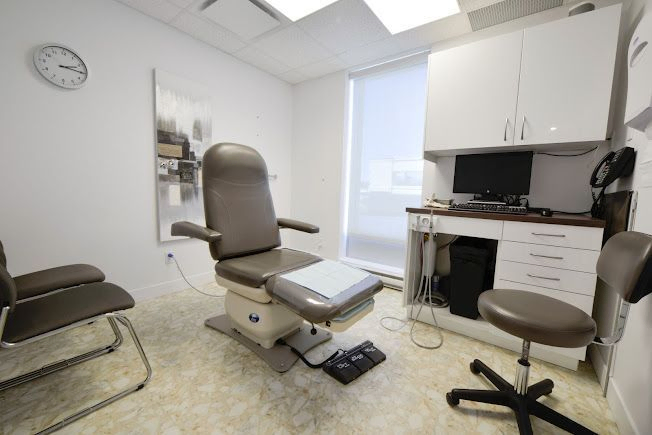
If you live in Montreal, your feet work hard: walking to the métro, climbing icy stairs in winter, standing all day at work, chasing kids at Parc Jarry. A little tiredness is expected, but constant foot or ankle pain is not “just part of getting older” – it’s a sign to consider a podiatry clinic.
Studies show that about 1 in 5 adults has frequent foot pain, and people with foot problems are more likely to have trouble with daily activities and mobility. When pain sticks around, you start avoiding walks, skipping activities, and your quality of life quietly shrinks. The good news is that many common issues – like heel pain, bunions, ingrown toenails, or flat feet in kids – respond very well to care from a foot pain specialist.
This guide will help you decide when it’s time to visit a podiatry clinic in Montreal, who to see for what problem, and what actually happens during an appointment. You’ll also see how local clinics like Podiatre Ahuntsic fit into the Quebec healthcare system, including referrals, RAMQ, and insurance. By the end, you should feel confident about your next step – whether that’s simple self-care or booking a visit.
What a Podiatry Clinic Does (and How It Works in Montreal)
A podiatry clinic is a medical clinic focused on diagnosing, treating, and preventing problems of the feet and ankles. Podiatrists are trained to manage everything from skin and nail issues to complex biomechanical and sports injuries affecting how you walk.
In Quebec, podiatrists complete a university doctorate in podiatric medicine and are licensed by the Ordre des podiatres du Québec. They can:
- Assess foot and ankle pain, deformities, and gait (the way you walk)
- Order and interpret imaging like X‑rays and ultrasound
- Prescribe medications for certain conditions
- Perform minor procedures (e.g., ingrown toenail surgery)
- Design custom foot orthotics and braces
Clinics such as Podiatre Ahuntsic, a podiatry clinic in the Ahuntsic neighbourhood of Montreal, operate in private practice. That means:
- No referral is needed – you can book directly with a podiatrist in Montreal.
- RAMQ generally does not cover podiatry for adults, though some specific services in hospitals are exceptions.
- Many private insurance plans reimburse podiatry and custom orthotics; coverage varies by plan, so it’s worth checking your policy.
For most Montrealers, this setup offers fast access to a foot and ankle specialist without waiting for a family doctor or hospital appointment. If your feet are limiting your life, you don’t have to “earn” a visit – you can simply book one.
10 Clear Signs It’s Time to Visit a Podiatry Clinic
You should visit a podiatry clinic if you have persistent foot or ankle pain, visible changes in your feet, recurring injuries, or specific conditions like diabetes. As a rule of thumb, pain that lasts more than a few weeks, keeps coming back, or forces you to change your activities deserves a professional assessment.
1. Heel Pain That Won’t Go Away
Ongoing heel pain – especially those first steps in the morning that feel like you’re stepping on a nail – is one of the top reasons people see a podiatrist. The most common cause is plantar fasciitis, an irritation of the tissue under your foot. Up to 10% of people will experience plantar fasciitis at some point.
A podiatry clinic can provide plantar fasciitis treatment such as:
- Specific stretching and strengthening exercises
- Taping or bracing
- Custom orthotics to offload your heel
- Advanced options like laser therapy or shockwave (depending on the clinic)
If you notice “Montreal heel pain” after long walks downtown or during winter when you change to heavy boots, that’s a strong sign to get checked.
2. Foot or Ankle Pain Lasting More Than 2–3 Weeks
Short-term soreness after a big hike or a busy moving day is normal. Pain that lingers more than 2–3 weeks, or keeps coming back every time you are active, is not. Research shows that chronic foot pain can significantly reduce mobility and participation in daily activities, especially in older adults.
Book a visit if you notice:
- Pain that forces you to limp or avoid putting weight on one foot
- Discomfort that returns every time you walk a certain distance
- Swelling or stiffness that doesn’t completely settle between days
Getting help early usually means simpler treatments and faster relief.
3. Recurring Sprains or Feeling Your Ankle “Gives Way”
If you keep “rolling” your ankle on uneven sidewalks or icy driveways, your ligaments and balance system may not be working properly. An untreated sprain can lead to chronic instability, where the ankle feels wobbly or weak.
A foot and ankle pain specialist can:
- Check for ligament damage and joint alignment
- Prescribe braces or taping for support
- Recommend strengthening and balance exercises
- Evaluate your footwear and orthotics needs
If you’ve had more than one significant sprain, especially from simple activities like walking to the bus, don’t wait – get it assessed.
4. Changes in Foot Shape: Bunions, Hammertoes, or Collapsing Arch
Gradual changes like a bump at the base of your big toe (bunion), toes that curl (hammertoes), or an arch that looks flatter than before are classic reasons to see a podiatrist. These changes often progress slowly, and early treatment can reduce pain and sometimes slow or prevent worsening.
- Pain in the big toe joint or difficulty finding comfortable shoes
- Redness, calluses, or corns over pressure points
- New or worsening flat feet in adults
Left alone, these issues can eventually make standing and walking at work or during Montreal festivals much harder.
5. Skin and Nail Problems That Keep Coming Back
Not every nail or skin problem needs a podiatry clinic, but recurring or painful issues often do. Ingrown toenails, for example, are a very common reason people seek care, and a minor procedure can provide long-term relief.
See a podiatrist if you have:
- Ingrown toenails that are painful, infected, or constantly recurring
- Thick, discoloured nails that don’t improve with over-the-counter treatments
- Cracked heels, corns, or calluses that hurt when you walk
Instead of repeated temporary pedicures, a podiatrist can address the root cause safely and medically.
6. Diabetes and Changes in Sensation, Skin, or Nails
People living with diabetes have a higher risk of serious foot problems due to poor circulation and nerve damage. Regular podiatry visits are a key part of diabetic foot care in Montreal and are strongly recommended in Canadian diabetes guidelines.
Contact a clinic offering diabetic foot care in Montreal if you notice:
- Numbness, tingling, or burning in your feet
- Wounds or blisters that heal slowly
- Changes in skin colour or temperature
Early podiatric care can help prevent ulcers, infections, and, in severe cases, amputation.
7. Kids With Flat Feet, Toe-Walking, or Frequent Falls
Many parents wonder when flat feet in kids are normal and when to see a specialist. Some flattening is common in young children, but persistent issues with pain or clumsiness deserve a look from someone who offers pediatric podiatry.
Consider children’s podiatry if your child:
- Complains of leg or foot pain after walking or sports
- Walks on tiptoes most of the time
- Trips or falls more than other kids
Simple interventions – like exercises or custom insoles – can often make a big difference in comfort and confidence.
8. Sports or Running Injuries That Keep Coming Back
Montreal’s active crowd – from runners on Mount Royal to weekend hockey players – often develop overuse injuries in the feet and ankles. A sports injury podiatrist in Montreal is well-placed to manage these problems.
- Shin pain, arch pain, or Achilles tendon pain with running
- Blisters, black toenails, or pressure spots from sports shoes
- Foot pain that appears every time you increase your training
A podiatry clinic can look at your biomechanics, footwear, and training load to create a personalized plan so you can stay active without constant setbacks.
9. Numbness, Burning, or “Pins and Needles”
Strange sensations in your feet – like burning, tingling, or numbness – may signal nerve involvement. Sometimes this comes from systemic issues like diabetes; sometimes from local compression or footwear problems.
A podiatrist can:
- Test your sensation and circulation
- Identify areas of nerve entrapment
- Suggest footwear changes, orthotics, or further testing
Don’t ignore these sensations, especially if they are new or worsening.
10. Your Feet Just Don’t Match Your Life Anymore
Sometimes the reason to see a podiatry clinic is simple: your feet are holding you back. Maybe you can’t walk as far on the Mont-Royal trails as you used to, avoid city festivals because standing hurts, or dread winter because boots aggravate your bunions.
Two quick examples:
- The teacher with heel pain : Standing all day on hard floors, a teacher starts avoiding recess duty and evening walks. After seeing a podiatrist, getting proper plantar fasciitis treatment and orthotics, they return to pain-free days.
- The child with flat feet : A 9‑year‑old in Ahuntsic avoids soccer because of foot and leg pain. Children’s podiatry assessment plus simple insoles and exercises help them enjoy sports again.
If your feet are limiting daily life, that alone is a valid reason to book an appointment.
Who Should You See: Family Doctor, Podiatrist, Physio, or Emergency?
For most ongoing foot and ankle problems, a podiatrist is the best first specialist to consult. Family doctors are ideal for overall health and serious systemic issues, physios focus on rehabilitation and strengthening, and emergency departments handle urgent injuries or infections.
Here’s a simple comparison to guide you:
| Type of professional | Best for | Examples of problems |
| Family doctor / GP | General health, prescriptions, referrals | New diabetes diagnosis, suspected gout, severe infection needing antibiotics |
| Podiatrist | Foot and ankle diagnosis, procedures, orthotics | Heel pain, bunions, ingrown toenails, flat feet, pediatric gait issues, diabetic foot checks |
| Physiotherapist | Rehab, strengthening, return-to-sport | Post-injury exercises, recovery after fracture or surgery, ongoing conditioning |
| Emergency department / urgent care | Serious, sudden injuries or infections | Open wounds, suspected broken bones, severe infection with fever, loss of blood supply |
In Montreal, you can see a podiatrist directly without a referral. A practical rule:
- Go to emergency or urgent care immediately if you have major trauma (fall, car accident), can’t put any weight on the foot, see a severe wound, or have fever with a red, hot foot.
- See your family doctor for new systemic conditions (like newly diagnosed diabetes) or medications that require medical monitoring.
- Book a podiatry clinic for most persistent, recurring, or unexplained foot and ankle issues, especially if they interfere with daily life.
What to Expect at Your First Visit to Podiatre Ahuntsic
A typical first visit to a podiatry clinic includes a detailed discussion of your symptoms, a hands-on exam of your feet and ankles, and a personalized treatment plan. You’ll leave with a clear understanding of what’s going on and what you can do about it.
Here’s how a first appointment at Podiatre Ahuntsic usually works:
- Booking and preparation You contact the clinic (usually by phone or online) and briefly describe your problem – for example, heel pain Montreal runners often experience or an ingrown toenail. You may be asked to bring current shoes, orthotics, and a list of medications.
- History and discussion The podiatrist asks about your symptoms, when they started, what makes them better or worse, your activities, work, and medical history. This helps connect your foot problem to your lifestyle – think long métro commutes, winter boots, or standing shifts.
- Physical exam and gait analysis Your feet, ankles, and sometimes knees are examined. The podiatrist may watch you walk or run, looking at alignment and movement patterns.
- Imaging or tests (if needed) Depending on the clinic’s equipment and your situation, tests like ultrasound, X‑rays, or pressure analysis may be used to clarify the diagnosis.
- Diagnosis and treatment plan You’ll get a clear explanation of what’s happening and why. The treatment plan might include exercises, footwear advice, orthotics, medications, or procedures such as nail care or minor surgery.
Podiatre Ahuntsic is conveniently located for residents of Ahuntsic and nearby Montreal neighbourhoods, with easy access by bus, métro, or car. The goal is simple: address your current pain and help you prevent future problems so you can move comfortably in daily life.
As one of the podiatrists at the clinic often emphasizes, “When foot pain starts changing your habits – like where you go, how far you walk, or which activities you avoid – that’s the moment to get it checked instead of pushing through.”
Special Situations: Kids, Athletes, and Older Adults in Montreal
Certain groups benefit especially from early podiatric care: children whose feet are still developing, athletes who load their feet heavily, and older adults who want to stay independent and steady on their feet.
Kids and Teens
Children’s podiatry focuses on growth, alignment, and early detection of issues that could affect comfort or sports participation. Many concerns arise when parents notice flat feet, inward-turned knees, or frequent tripping.
- Persistent pain in the feet, ankles, or legs (especially after sports)
- Refusal to walk long distances or participate in physical activities
- Obvious asymmetry between the two feet or legs
In Montreal, where kids walk to school, run around neighbourhood parks, and play hockey or soccer, addressing these problems early can prevent them from “just sitting out” activities they would otherwise enjoy.
Athletes and Active Adults
From runners around the Lachine Canal to weekend skiers and year‑round gym users, active Montrealers put a lot of stress on their feet and ankles. Overuse injuries like plantar fasciitis, Achilles tendonitis, or stress reactions in the bones are common drivers of visits to a sports‑oriented podiatrist in Montreal.
- Pain that appears at a certain kilometre in your run and gets worse over time
- Discomfort that forces you to change your technique or stop workouts
- Recurring problems every season despite rest and new shoes
A podiatry clinic can analyze biomechanics, footwear, and training patterns to find the real cause, not just treat the symptom. That means you can train smarter and reduce your risk of re‑injury.
Older Adults
For older adults in Montreal, maintaining mobility is crucial for staying independent, using public transit, and safely navigating winter sidewalks. Foot pain is a major but often overlooked barrier: a large study found that older adults with foot pain walk more slowly and are more likely to have balance problems.
Reasons for seniors to visit a podiatry clinic include:
- Difficulty trimming nails or safely managing calluses and corns
- Painful deformities like bunions or hammertoes
- Fear of falling due to instability or poor footwear
Regular podiatric care, proper footwear, and custom orthotics can significantly improve comfort and stability, making it easier to keep up with errands, social visits, and the simple pleasure of a walk through the neighbourhood.
FAQ: Quick Answers About Podiatry Clinics in Montreal
When should I see a podiatrist instead of my family doctor?
See a podiatrist when you have persistent, recurring, or activity‑limiting problems specifically in your feet or ankles, such as ongoing heel pain, bunions, ingrown toenails, or flat feet in kids. Family doctors are ideal for overall health issues and new systemic diseases like diabetes, but a podiatry clinic is usually the best first stop for focused foot and ankle assessment and treatment.
Do I need a referral to visit a podiatry clinic in Montreal?
No, you do not need a referral to book an appointment at a podiatry clinic in Montreal. Podiatrists in Quebec practice in the private sector, so you can contact clinics like Podiatre Ahuntsic directly whenever you feel your foot or ankle problem needs attention.
Are podiatry services covered by RAMQ or private insurance?
In most cases, RAMQ does not cover podiatry services in private clinics for adults. However, many group and individual insurance plans reimburse part or all of podiatry visits and custom orthotics; coverage varies by plan. It’s a good idea to check your benefits booklet or call your insurer before your appointment to understand how podiatry clinic costs in Montreal are handled.
How quickly can I get an appointment at Podiatre Ahuntsic?
Availability changes with the season, but wait times at Podiatre Ahuntsic are usually much shorter than typical hospital or public‑system specialist waits. For urgent problems like severe heel pain, ingrown toenails, or diabetic foot concerns, the clinic often finds space within a few days. Calling or checking online booking is the fastest way to see current openings.
Can a podiatrist help prevent future foot problems?
Yes. Beyond treating current pain, podiatrists focus heavily on prevention through gait analysis, footwear advice, and custom orthotics when needed. For example, addressing early plantar fasciitis, flat feet, or diabetic foot changes can prevent more serious issues later. Many Montrealers see a podiatrist proactively to keep walking, working, and staying active comfortably through our city’s demanding seasons.
Ready to Decide If It’s Time for a Podiatry Clinic?
If your feet hurt most days, if you’re changing plans because of pain, or if you’re worried about a specific issue like diabetes or your child’s gait, that’s enough reason to act. You don’t have to wait until things are “bad enough” for the hospital or until you can barely walk.
A podiatry clinic in Montreal, such as Podiatre Ahuntsic, can give you a clear diagnosis, a practical plan, and realistic solutions tailored to your lifestyle – whether that’s commuting by métro, working on your feet, training for a race, or simply wanting pain‑free walks around your neighbourhood.
If what you’ve read sounds like your situation, consider booking an appointment. One visit can often answer the big question – “Is this serious enough?” – and, more importantly, get you started on feeling better with every step.
